Wildlife & Conservation
Protecting critically endangered species through community-led conservation in the heart of the Karakoram.
Our Approach
Community-Led Conservation
KVO's conservation model combines indigenous knowledge with modern science, proving that local communities are nature's best guardians.
Anti-Poaching
Community guards at wildlife check posts along the Karakoram Highway, protecting species 24/7.
Wildlife Monitoring
Camera traps and participatory surveys tracking snow leopard, ibex, and bharal populations.
Habitat Protection
Managing 5,544 km² of buffer zone with specific conservation protocols for core areas.
Population Recovery
Documented species recovery for Himalayan ibex and significant reduction in poaching incidents.
Protected Species
Wildlife of Khunjrab
 Least Concern
Pseudois nayaur
Blue Sheep (Bharal)
Found on the steep slopes and grasslands, these agile climbers are vital to the high-altitude ecosystem. A world-record Blue Sheep was harvested in 2018, and KVO was recognized by Safari Club International (USA) in 2020.
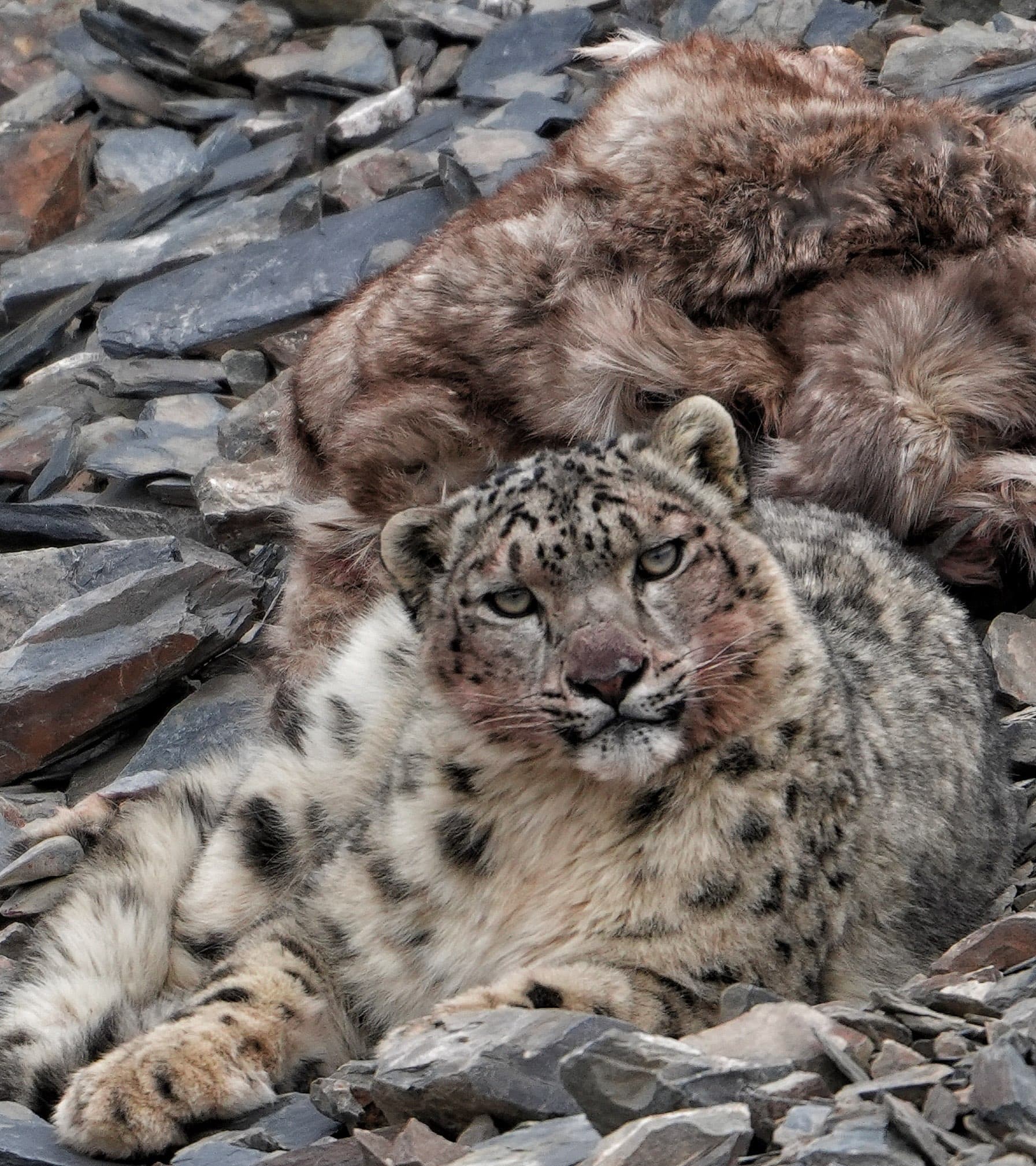 Vulnerable
Panthera uncia
Snow Leopard
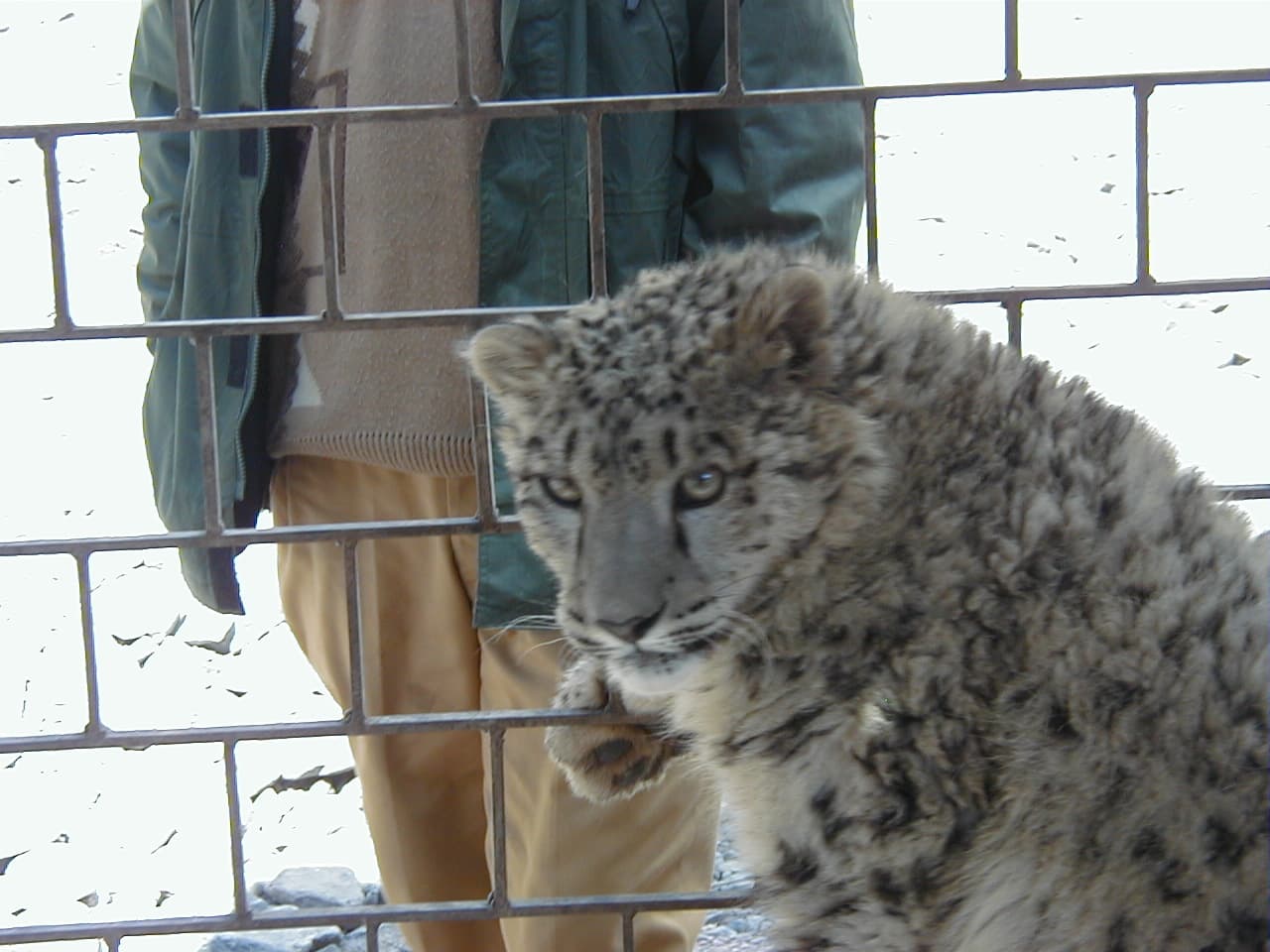
The elusive ghost of the mountains, found in the high altitudes of Khunjrab National Park. KVO's Snow Leopard Conservancy Project launched in 2004 successfully released three snow leopards back into the wild.
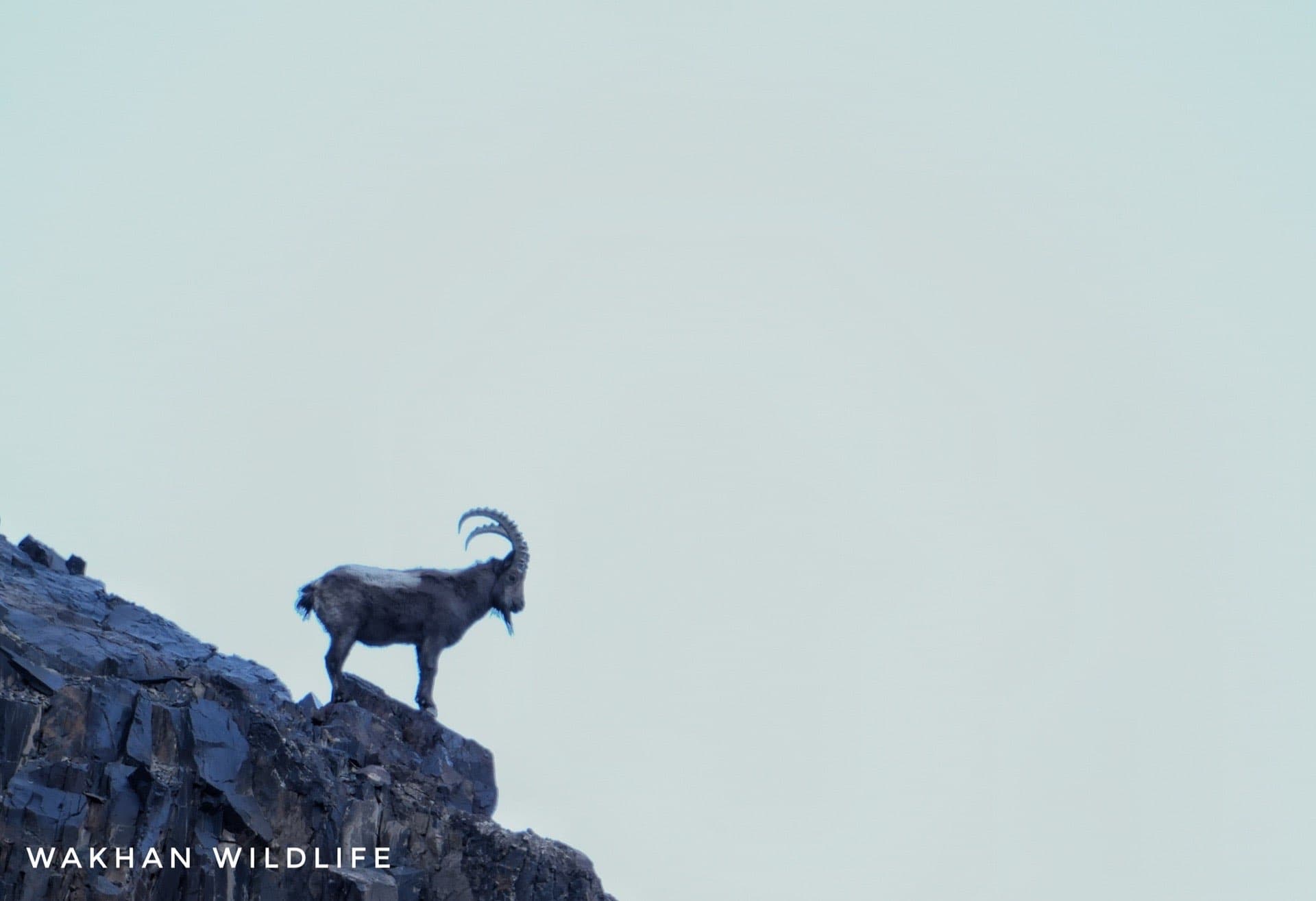 Least Concern
Capra sibirica hemalayanus
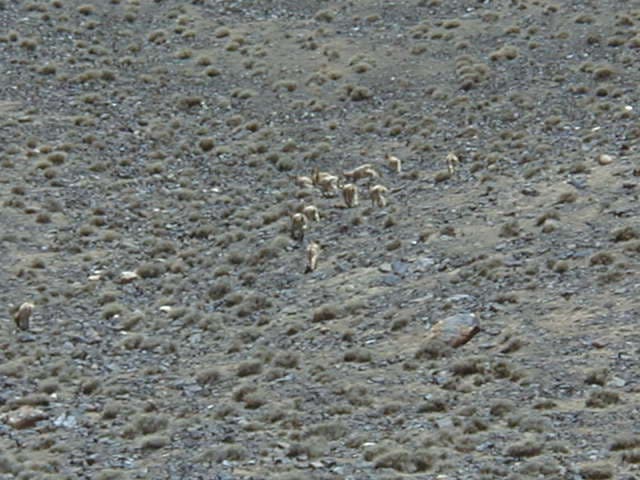
Himalayan Ibex
The majestic mountain goat, a symbol of the Karakoram ranges and primary prey for snow leopards.
 Least Concern
Ursus arctos
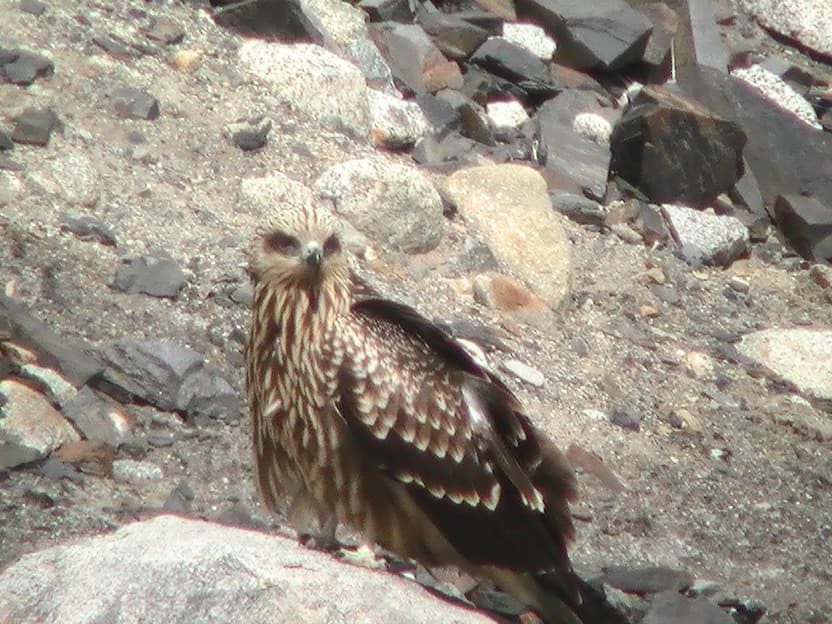
Brown Bear
The Himalayan brown bear, one of the rarest subspecies, inhabiting the remote valleys of Khunjrab.
 Least Concern
Alectoris chukar
Chakor Partridge
The chukar partridge, with its striking red beak and legs, found across the rocky mountain slopes.
 Near Threatened
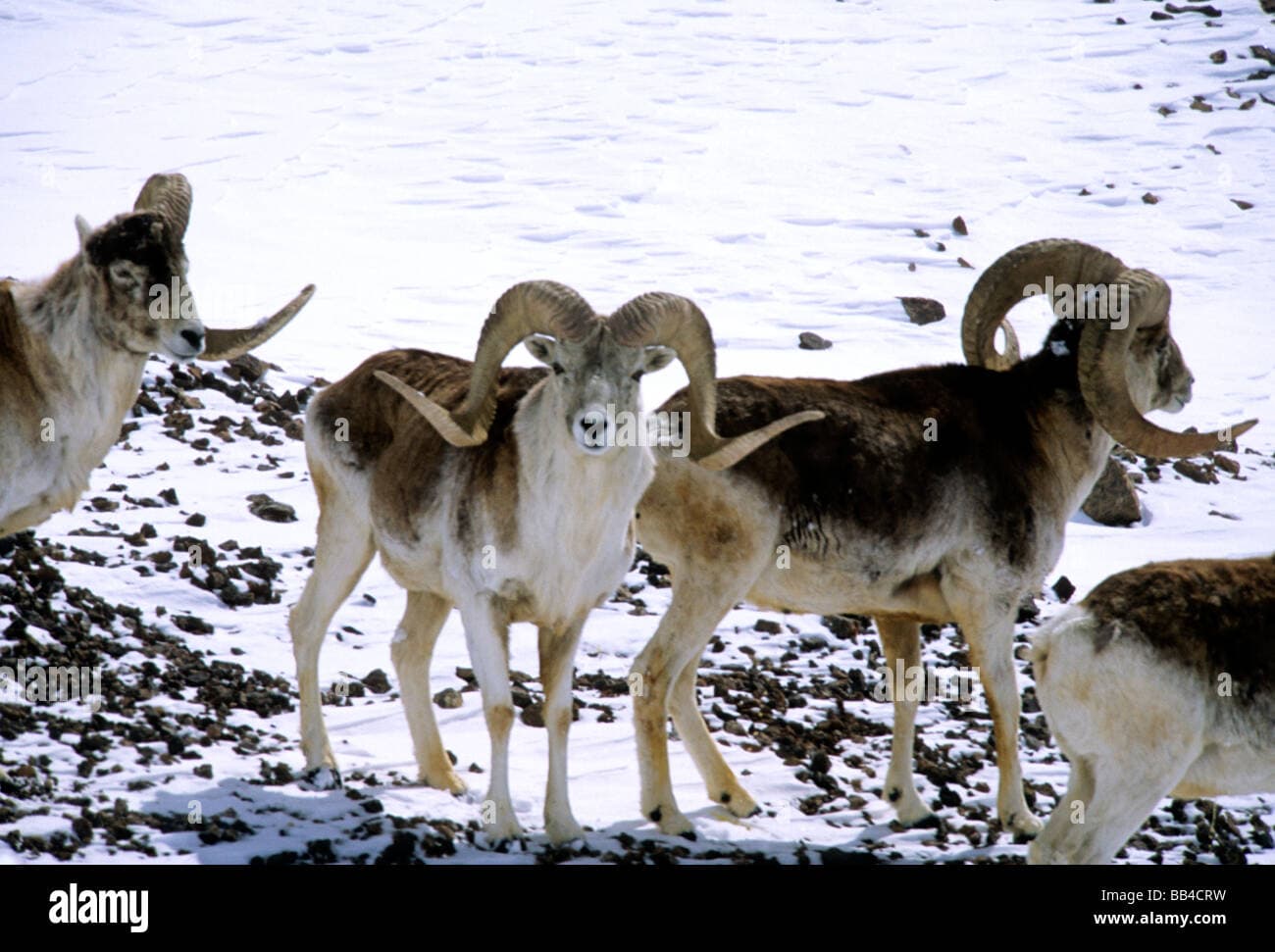
Ovis ammon polii
Marco Polo Sheep
Named after the famous explorer, known for their magnificent spiraling horns spanning up to 140cm. Historically found in the region but no longer present in the KVO conservation area.
Impact
Conservation by the Numbers
30+
Years of Conservation
5,544
km² Protected Area
80%
Revenue to Community
4
Biodiversity Corridors